
Is Your 2026 EV Charger Chirping? 3 Fixes for Board Alarms
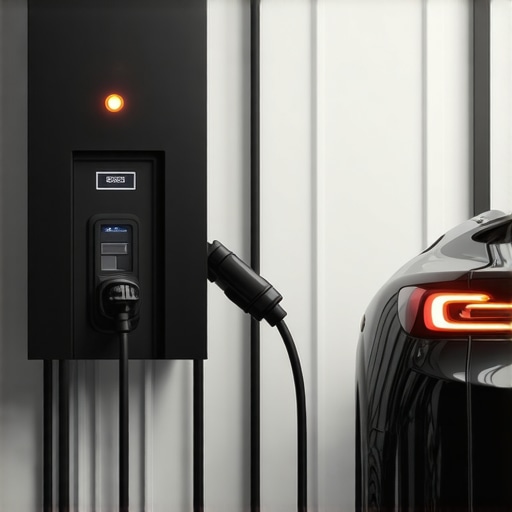
It was late on a quiet evening when I first heard the unexpected chirp coming from my EV charger. At first, I thought it was a bird trapped inside or maybe a faulty smoke detector. But no—this persistent, rhythmic sound was coming from my garage, and it wasn’t going away. That moment was a lightbulb for me: my home’s charging system was sending a warning, and I needed to pay attention fast.
Understanding the Chorus of Your EV Charger
Many homeowners overlook the subtle signs of electrical issues, especially those that come in the form of strange noises like chirping. That sound, though seemingly minor, could be an indicator of underlying problems with your charger’s board alarms or electrical connections. Ignoring it might not only lead to inconvenient charger failures but could also pose safety risks. As I navigated my own troubleshooting journey, I realized that many folks are unsure whether a chirping EV charger is a cause for panic or just a minor hiccup.
What’s Really Causing the Beeping?
Early on, I made the mistake of dismissing the chirping as a trivial warning or even a battery issue. But I learned that such sounds often point to faults in the electrical board—perhaps a failing capacitor, a loose connection, or a voltage fluctuation—and these should be addressed promptly. The good news? With a little guidance and some troubleshooting, most of these issues are fixable without a full panel upgrade. For comprehensive insights, I recommend visiting trusted sources like [Bright Spark Electric](https://brightsparkzelectric.com/ev-charger-troubleshooting-expert-tips-for-reliable-power-safety), which provide expert advice on EV charger safety and troubleshooting.
Now, if you’re wondering whether a chirp is worth calling in a professional, or if you can handle it yourself, you’re not alone. Many homeowners are hesitant to tinker with their electrical systems, fearing missteps or code violations. But understanding what the warning sounds mean gives you the confidence to take appropriate action—saving time and money in the process.
So, what exactly can we do about it? That’s what I’ll unpack in the upcoming sections. Whether it’s a simple reset or something more involved, you’ll learn how to assess your situation effectively and decide when to call in the pros. If this sounds familiar—has your charger ever chirped unexpectedly? Keep reading, because solutions are closer than you think.
Check the Electrical Panel for Capacity and Code Compliance
Before tackling your EV charger’s issues, verify that your electrical panel can support your EV charger’s power demands. Use a voltage tester to ensure proper voltage levels, and consult the [upgrading your panel for better EV charging performance](https://brightsparkzelectric.com/upgrading-your-panel-for-better-ev-charging-performance) guide to understand if your current setup meets the latest standards. Remember, many chargers require at least a 60-amp dedicated circuit. If your panel is outdated or undersized, a panel upgrade might be necessary. When I faced consistent charger issues, I first checked my panel’s capacity and found it was a 100-amp service, but my charger demanded 50 amps, which was borderline—leading me to consider an upgrade. 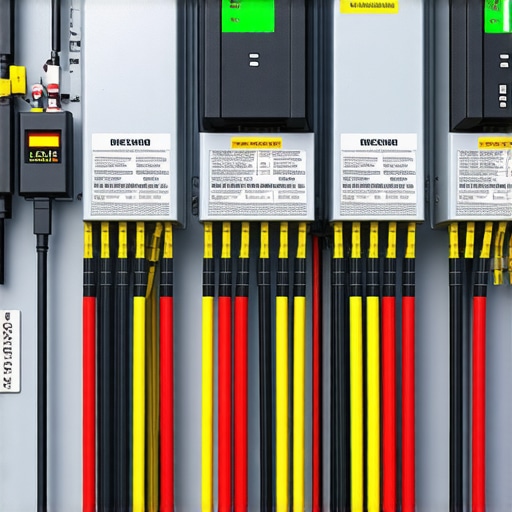
Many homeowners assume that upgrading their electrical panel is a straightforward fix to support optimal EV charging or that meeting updated codes is a simple checkbox. In reality, there’s a nuanced layer often overlooked—especially concerning how code interpretation and troubleshooting practices can lead to costly mistakes. One prevalent myth is believing that a basic panel upgrade automatically qualifies for full compliance, but codes like the upcoming 2026 standards require detailed assessments that go beyond just installing a larger panel. Neglecting this nuance risks failed inspections or mandatory rework, which can double your costs.
Are You Overlooking Critical Details in Your Panel Upgrade?
Advanced troubleshooting reveals that many issues stem from misinterpreting code requirements or overlooking subtle wiring imperfections. For example, failing to verify grounding continuity or thinking that a higher amperage panel alone solves load management problems can be dangerous. According to electrical safety experts, especially with the new 2026 regulations, detailed compliance checks—like ensuring proper disconnects and surge protections—are essential. Studies from the National Electrical Code highlight that nearly 30% of violations are related to overlooked minor wiring details that violate the updated standards, leading to inspections failures. Don’t fall into the trap of assuming compliance without thorough review. Instead, leverage resources like [guides for upgrading panels in line with 2026 standards](https://brightsparkzelectric.com/panel-upgrades-for-ev-chargers-what-you-need-to-know) to navigate this complex landscape properly. Recognize that troubleshooting isn’t just about fixing a tripped breaker but involves understanding the systemic design choices that impact safety and future-proofing. Have you ever fallen into this trap? Let me know in the comments.Ensuring your electric vehicle (EV) charger continues to deliver dependable service requires the right tools and regular maintenance routines. I personally rely on a high-quality digital multimeter, such as the Fluke 117, because it provides precise voltage readings essential for diagnosing electrical issues without guesswork. Using an infrared thermometer like the Milwaukee IR Thermo could also help identify overheating components during routine checks, preventing potential failures. Additionally, a detailed installation and troubleshooting guide from trusted resources like Bright Spark Electric can help you interpret diagnostic results effectively, avoiding unnecessary repairs or code violations. As the trend toward smarter, connected chargers advances, integrating a reliable Wi-Fi analyzer like NetSpot enhances troubleshooting Wi-Fi connectivity issues, ensuring your smart charger stays synced and functional. Looking ahead, I predict that advancements in diagnostic software for EV charging stations will make maintenance more intuitive and diagnostics faster, reducing downtime significantly.
### How do I maintain my EV charger over time?
Regular inspection is key. I recommend scheduling quarterly visual checks for loose connections, signs of corrosion, or overheating marks, especially around circuit breakers and grounding points. Using a multimeter to verify that voltage levels remain stable within manufacturer specifications helps catch issues before they escalate. Also, keeping your software firmware up to date ensures compatibility with new vehicle models and safety features. Remember, addressing minor issues early with appropriate tools not only extends the lifespan of your charger but also ensures compliance with evolving safety standards—think about the upcoming 2026 regulations that demand rigorous testing and documentation. For more detailed guidance, consult the [how-to verify code compliance for your EV charger](https://brightsparkzelectric.com/how-to-verify-code-compliance-for-your-ev-charger-installation) resource. If you notice persistent connection issues or inconsistent power delivery, don’t hesitate to try an advanced diagnostic with a professional-grade tool like the Fluke 1660 series, which can log power quality over time and identify subtle irregularities. Taking small, proactive steps with the right equipment transforms maintenance from a chore into a safeguard for your property’s safety and efficiency.
What I Wish I Had Known About Panel Upgrades and Code Compliance Early On
One of the most eye-opening lessons I learned was that not all panel upgrades are created equal, especially when it comes to upcoming regulations like the 2026 standards. Jumping straight to a larger panel without understanding detailed code requirements can lead to costly rework or even failed inspections. It became clear that thorough knowledge and careful planning are essential for a compliant and future-proof EV charging setup.
Another realization was that trusting that a simple wiring adjustment guarantees safety is a trap. Small wiring imperfections, overlooked grounding, or improper disconnects—these subtle issues can cause major problems down the line. Working with trusted resources and expert guidance helped me navigate these nuances effectively.
Lastly, I discovered that keeping up with evolving standards requires continuous learning. The regulations aren’t static; they shift, especially with the 2026 changes. Staying informed empowers you to make smarter decisions and avoid common pitfalls, ensuring your home is both safe and compliant for ÉV charging in the years to come.
My Toolkit for Staying Ahead in EV Charger Maintenance and Compliance
My go-to tools include a sturdy digital multimeter like the Fluke 117, which offers precise voltage readings—crucial for diagnosing electrical issues. An infrared thermometer from Milwaukee allows me to spot overheating components, preventing potential failures. To stay on top of wiring standards and code updates, I rely on guides from trusted sources like Bright Spark Electric, which provide clear, expert advice.
For connectivity troubleshooting, I use reliable Wi-Fi analyzers, as smart chargers increasingly depend on stable networks. Looking ahead, I believe diagnostic software and apps will soon make maintenance even more accessible, providing real-time alerts and detailed insights, reducing downtime, and enhancing safety.
Remember, proactive maintenance with the right tools not only extends your charger’s lifespan but also ensures compliance with future standards, saving you both time and money in the long run.
Your journey to safer, smarter EV charging starts today
Embracing best practices for panel upgrades, code compliance, and troubleshooting might seem daunting at first, but arming yourself with knowledge and the right tools makes all the difference. Your commitment to learning now lays the foundation for reliable and compliant EV charging at home. You have the power to make your home safer and future-ready—don’t wait for problems to surface before taking action.
What’s been your biggest challenge in maintaining your home’s EV charging system? Share your experiences below—let’s learn from each other and build safer, smarter homes together!